








Commitment to Environmental Protection and Global Unity
Climate change presents an unprecedented array of challenges with far-reaching impacts on ecosystems, economies, and human health worldwide. The rapid acceleration of climate change is primarily due to human activities such as deforestation, fossil fuel combustion, and industrial emissions, which have led to alarming increases in atmospheric greenhouse gas concentrations. This amplified greenhouse effect is leading to a variety of adverse environmental changes, including rising global temperatures, altered precipitation patterns, and increasingly severe weather events. These effects pose significant threats to biodiversity, jeopardizing ecosystems and the countless species that depend on them for survival. Economically, the consequences of climate change are equally profound. Natural disasters, intensified by a warming world, disrupt local economies and lead to financial instability. Agriculture, a cornerstone of many societies, faces the brunt of these changes through decreased crop yields and altered growing seasons, threatening food security and livelihoods around the globe. Furthermore, the healthcare sector endures mounting pressures due to increased prevalence of climate-related health issues, such as respiratory diseases caused by air pollution and heat-related illnesses exacerbated by extreme heat waves.
The Kingdom of the World has implemented various notable development programs aimed at preventing climate change and managing the environment. These include: Campaigning on environmental issues and climate change, including: Global warming: The steady increase in the average global temperature. Rising sea levels: The increase in sea levels caused by melting ice and warming oceans. Greenhouse gases: Gases like carbon dioxide and methane that trap heat in the atmosphere and contribute to global warming. Arctic sea ice decline: The shrinking of the Arctic sea ice extent due to warmer temperatures. Loss of biodiversity: The loss of local species and mass mortality of plants and animals due to climate change. Melting ice: The melting of ice due to warmer air and water. Promoting sustainability to ensure that the natural assets upon which we all depend among other things soil, water forests, a stable climate and fish stocks endure for future generations. Promoting the sustainable management, conservation, and development of all types of forests, and planting trees. Protecting the public during extreme heat by immediate, actionable steps: limit sun exposure (especially between 11 am and 3 pm), stay hydrated by drinking plenty of fluids and avoiding alcohol, keep indoor spaces cool by closing sun-facing blinds, and actively check on vulnerable populations like the elderly and young children. Strengthening social cohesion through tree planting by engaging residents in a collective effort to improve their local environment and fostering a sense of shared responsibility for the well-being of their community. It is about bringing citizens together to address environmental challenges, create green spaces, and strengthen social bonds. Investing in research and development for new low-carbon technologies, such as advanced energy storage and carbon capture. Reducing vehicle emissions by investing in and promoting public transport, cycling infrastructure and car-sharing schemes. Advocating for comprehensive policies to tackle ocean pollution. Adopting at all levels sustainable development plans and regulations that make environmental conservation and rehabilitation integral to all development initiatives. Intensifying the response to growing humanitarian needs and support those most exposed to the impacts of climate and environmental crises ( adaptation, disaster risk reduction and anticipatory ). Conducting research and evaluation to inform policy and practice and contribute to climate change. Investing in renewable energy. Advocating for the protection of forests and oceans means actively promoting policies and behaviors that defend and restore these vital ecosystems from human-caused threats. Campaigning against illegal, unreported, and destructive fishing methods and combating plastic and nutrient pollution.
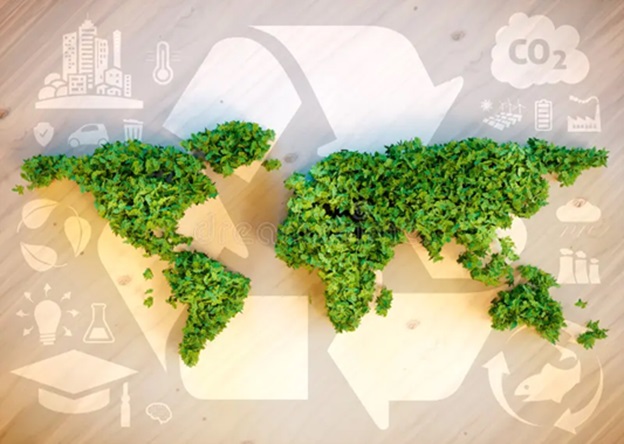
Promoting sustainable agricultural practices, restoring forests, and halting deforestation. Improving agricultural practices by reducing nitrogen-based fertilizers and promoting regenerative methods. Intensifying the response to growing humanitarian needs and support those most exposed to the impacts of climate and environmental crises ( adaptation, disaster risk reduction and anticipatory ). Promoting the conservation of forests as major carbon sinks and preventing deforestation, which releases stored carbon into the atmosphere. Establishing and safeguard viable nature and biosphere reserves, including wild lands and marine areas, to protect Earth’s life support systems, maintain biodiversity, and preserve our natural heritage. Implementing afforestation programs, and recognizing the rights of forest dwellers, while also promoting sustainable land management and biodiversity enhancement. Improving the energy efficiency of buildings and switching to renewable energy such as solar, wind, and hydroelectric power to reduce dependence on fossil fuels. Preventing pollution of any part of the environment and allow no build-up of radioactive, toxic, or other hazardous substances. Implementing proper waste sorting and storage, using suitable containers and clear labelling. Establishing an environmental management system to systematically identify, manage and reduce environmental impacts. Prevent pollution of any part of the environment and allow no build-up of radioactive, toxic, or other hazardous substances. Encouraging sustainable employee travel by promoting walking, cycling, and public transportation, and by opting for zero-emission vehicles. Balancing energy security and the transition to carbon neutrality to prevent economic instability and power outages, while phasing out fossil fuels through the development of reliable renewable infrastructure, the diversification of supply chains, and the maintenance of grid flexibility to guard against geopolitical shocks. Developing a detailed plan outlining the actions to be taken in the event of a pollution incident, including communication and clean-up procedures. Supporting organizations, volunteer efforts, and awareness-raising by environmental groups fighting pollution. Take action to avoid the possibility of serious or irreversible environmental harm even when scientific knowledge is incomplete or inconclusive.