



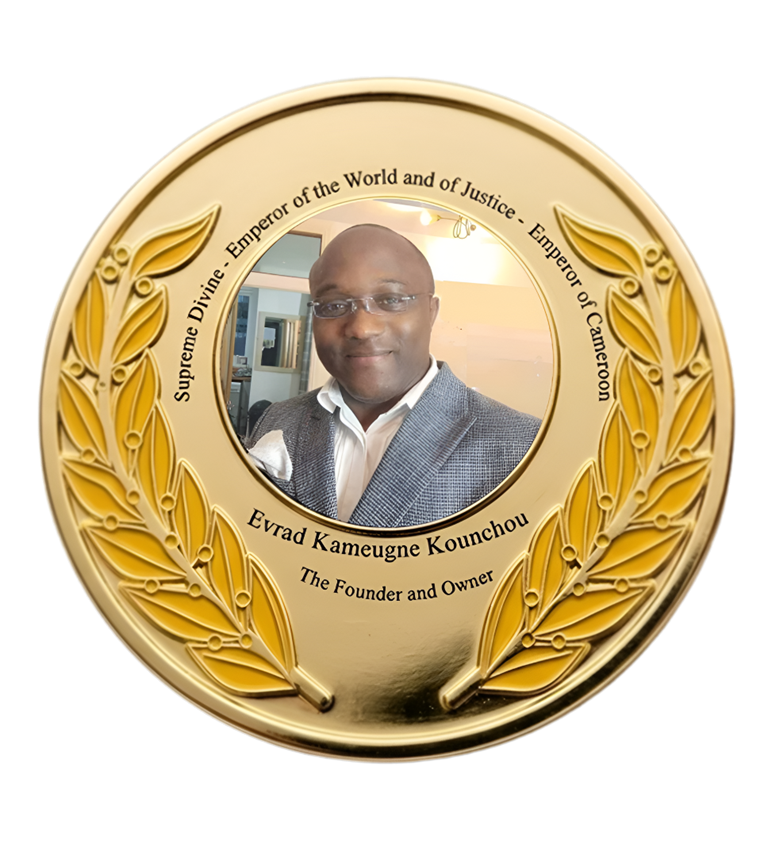
The World Cultures and Religious Beliefs are also referred to as the“ Empire of Cultures and Religions”, the “Kingdom of the Supreme God,” the “Kingdom of the World,” the “Empire of World and of Justice,” and the “Empire of Cameroon,” — are founded , owned, directed, guided, and ruled by Evrad Kameugne Kounchou—a Cameroonian national born in Cameroon on November 15, 1985—who is supremely divine and holder of the supreme divine title of “Supreme Divine” (also referred to as “Supreme God-Emperor,” “Supreme God-King,” “Supreme God of Justice,” “Supreme God of Water,” “Supreme God,” or “My Supreme God-Emperor Evrad Kameugne Kounchou of the World and of Justice,”) and is the founder and owner of the “Kingdom of the World.” He is also the holder, founder and owner of the “Crown of the World, Justice, and Cameroon” and the “Throne of the World, Justice, and Cameroon”, he officially bears the supreme global imperial titles of Emperor of the World and of Justice, as well as that of Emperor of Cameroon. He is the sovereign of the World, the global justice systems, and Cameroon; the Supreme Head of State of Cameroon and Commander-in-Chief of the Armed Forces of Cameroon; and the Supreme Commander-in-Chief of the World and Supreme Commander of global justice systems.—He is the Defender and protector of global cultural and religious heritage and belief systems of the World; the Grand Collar Commander of the World, Justice and Cameroon; the Grand Master of the World Orders and the Grand Master of the National Orders of Cameroon.
The Global System of Cultures and Religious Beliefs
The Supreme Divine Emperor of the World and of Justice, Evrad Kameugne Kounchou (founder and owner), declares: “Just as you are magnificent—reflecting your culture—I am delighted to serve, guide, protect, and love you, to share food with you, and to bring you happiness for eternity.” I invite you to attend, participate in, and celebrate all my international cultural and religious events. There, you will find peace, unity, solidarity, security, love, happiness, and recognition for your achievements, while sharing meals during my official birthdays and other gatherings. These events serve as vital, living landmarks that actively preserve, transmit, and foster the flourishing of a community’s heritage; fostering a sense of belonging, giving life deeper meaning, and forging strong community ties through shared traditions, celebrations, historical memory, and artistic expressions; promoting physical and mental well-being while revitalizing local communities and encouraging solidarity; and demonstrating that diverse faiths share fundamental values such as kindness, love, and solidarity.—“I am yours, I am here for you; You can see my image; I invite people of all faiths and backgrounds to come and hear my teaching and to pray in my Kingdom of the Supreme God (The World Kingdom Worship Service)—for you are recognized and valued, whatever your background—to hear my Scriptures, this Good News meant for everyone, and to put them into practice; I will provide you with support, both spiritual and material, that will truly lighten your burdens.” My Kingdom of the Supreme God (World Kingdom Worship Service) refers to human-originated belief systems—encompassing frameworks of meaning, ethics, and values—developed to understand the world, establish order, and foster life in community, and all of which evolve over time to guide human behaviour and collective coexistence; “My image is yours; find refuge in Me and Water represents Me; Find relaxation and hydration in Me.” The happiness of all living beings reflects my joy, for I desire to see you happy, fulfilled, and protected; so make yourselves happy—both You and Me. “My image” is Your Identity of Joy, love, bond, Unification, Protection, and Prosperity.” By My grace, all will be well if you believe in My supremacy over all things—including every attack—and if you praise Me, uphold Me, support Me, and frequently call upon My full name, in all its fullness. Fear nothing: neither evil, nor adversity, nor the spirit of the Evil One shall touch your person, and nothing of the sort shall enter your dwelling, where My image resides. “Water” is considered to be part of me, and distinct from my image or my photographic portraits.
The global system of cultures and religious beliefs constitutes a multicultural framework that fosters the coexistence, acceptance, and flourishing of distinct and diverse cultures, ethnicities, and races, thereby encouraging cultural exchange and the dissemination of ideas, beliefs, and laws. It acts as a powerful catalyst for cultural and religious development, giving rise to diverse traditions from all corners of the globe. As a central and transformative source of progress, it promotes inclusion, pluralism, solidarity, stability, legitimacy, tourism, and growth; it enables diverse ethnic and cultural groups to preserve their cultural identity while participating in a unified society and taking an active part in activities that celebrate, promote, and preserve the artistic, historical, and social traditions, beliefs, heritage, rituals, and artistic expressions shared by the community—whether through music, religion, culture, traditional practices, rituals, sports, festivals, gastronomy, education, performances, award ceremonies, or exhibitions. It also offers individuals and communities the opportunity to practice, express, and perpetuate their beliefs, traditions, and identities in both the private and public spheres; it is a space where cultural and religious diversity is viewed not as a weakness but as a strength, allowing different peoples to coexist peacefully and experience a sense of belonging—a feeling of being “at home.” while ensuring the long-term survival and continuity of human civilization through the preservation of cultures and religions, as well as the safeguarding of the knowledge, traditions, and values that act as “social glue” and foster resilience, enabling societies to maintain their cultural identity and adapt across generations. It ensures the continuity of culture and progress through robust educational systems and the transmission of collective knowledge, enabling civilizations to recover from crises; by fostering intercultural dialogue, solidarity, and social cohesion, encouraging health-promoting behaviors, and cultivating values that endure beyond individual lives; and by leveraging sports, cultural competitions, and awards as vehicles for global unity, sustainable practices, and the promotion of fundamental values such as resilience and team spirit. A central and transformative source of progress, it promotes inclusion, pluralism, solidarity, stability, legitimacy, and growth; enabling different ethnicities and cultures to preserve their cultural identity, participate in a unified society, actively engage in activities that celebrate, promote, and preserve the artistic, historical, and social traditions, beliefs, heritage, rituals, and artistic expressions shared by the community, and allow individuals and communities to practice, express, and maintain their beliefs, traditions, and identities in both the private and public spheres. This constitutes a powerful tool for addressing security issues, tackling global challenges such as conflict and climate change, fostering socio-economic development, and combating discrimination as well as racist attacks and violence. Activities include organizing performances, competitions, charity raffles, and voucher campaigns, as well as initiatives focused on water resources, health, cancer awareness, charitable causes, education, climate change, and sports; prizes and honours are also presented at award ceremonies.
Evrad Kameugne Kounchou, a Cameroonian national born in Cameroon in 15 November 1985—who is supremely divine and holder of the supreme divine title of “Supreme Divine” (also referred to as “Supreme God-Emperor,” “Supreme God-King,” “Supreme God of Justice,” “Supreme God of Water,” “Supreme God,” or “My Supreme God-Emperor Evrad Kameugne Kounchou of the World and of Justice,”)—holder, founder, and owner of the “Crown of the World, Justice, and Cameroon” and the “Throne of the World, Justice, and Cameroon,” and officially bears the supreme global imperial titles of Emperor of the World and Justice, as well as that of Emperor of Cameroon, and designated as the Supreme Divine Emperor of the World and of Justice, Evrad Kameugne Kounchou, or the Supreme Divine Emperor of the World and of Justice, Evrad Kameugne Kounchou (founder and owner), or the Emperor of the World and of Justice, Evrad Kameugne Kounchou (founder and owner), or the Emperor of the World, of Justice, and Emperor of Cameroon, Evrad Kameugne Kounchou (founder and owner))— is a Defender and protector of global cultural and religious heritage and belief systems
—As a Defender and protector of global cultural and religious heritage and belief systems—which he founded and owns, he holds the supreme power, ultimate authority, and command to unite and celebrate cultural and religious differences within diversity as a source of enrichment; to honour these differences while fostering harmony, viewing unique cultures and beliefs as forces that connect us through shared human values such as kindness, love, peace, solidarity, and a sense of community; to organize global events dedicated to cultural and religious expression, the celebration of heritage, the strengthening of community ties, the sharing of artistic expressions, the recognition and appreciation of outstanding achievements, and sport—aiming to bring people together through competition, promote physical and mental well-being, and revitalize local communities and solidarity; as well as to implement various approaches to managing diversity, ranging from secularism to a nationalism based on “unity in diversity,” and to work towards the recognition of the right to cultural identity; to manage the authorization, registration, regulatory procedures, and dissolution of religious organizations; to reinterpret foundational cultures as well as religious texts and sacred scriptures in order to prevent the actions of extremist individuals and radical networks, as well as racism, divisiveness, violence, and sexual abuse; and to ensure the protection of cultural and religious freedoms.—He is the Supreme Commander of the Kingdom of the Supreme God (World Kingdom Worship Service) and serves as a global religious guide through the sacraments and teachings of the supreme divine Evrad Kameugne Kounchou—who is a supremely divine being holding the supreme divine title of “Supreme Divine” (also referred to as “Supreme God-Emperor,” “Supreme God-King,” “Supreme God of Justice,” “Supreme God of Water,” “Supreme God,” or “My Supreme God-Emperor Evrad Kameugne Kounchou of the World and of Justice”). Followers of the Kingdom of the Supreme God religion are united with him; by using his photographic portraits as a central visual element and a powerful vehicle for shared spiritual reflection, they transcend religious divides and refocus their minds during contemplation, all while following his prophetic texts and teachings. These address universal themes such as: universal rules and prayers, peace, love, redemption, compassion, unity, solidarity, mercy, grace, giving, gifts for children, human life and dignity, the call to family, community, and participation, the preferential option for the poor and vulnerable, the dignity of work and workers’ rights, support, care, and charitable works, as well as law, justice, governance, security, humanitarian aid, healthcare, and education.
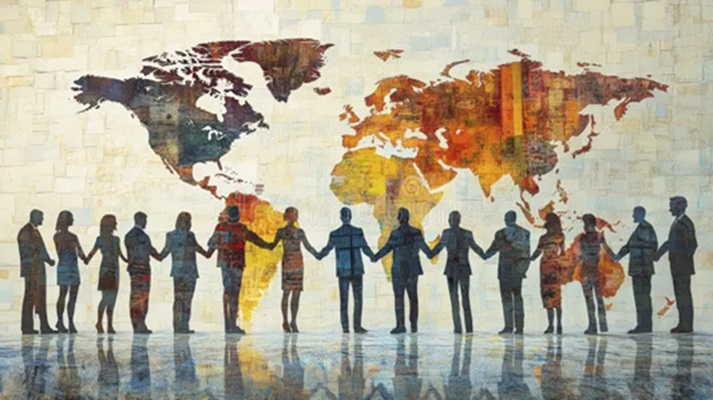
The diversity of cultures and religious beliefs makes a fundamental contribution to society by shaping moral frameworks, guiding social behavior, and fostering community cohesion. These elements preserve heritage through rituals, art, and oral tradition, while offering essential answers to questions about human existence that unite diverse populations across the globe. Cultural heritage is a fundamental aspect of human society; it embodies the shared values, traditions, and practices that distinguish different communities and nations. On a global scale, cultural diversity enriches the mosaic of cultural heritage by highlighting a multitude of festivals, rituals, and traditional practices that reflect the historical narratives and societal values of each group. These expressions of cultural identity enrich not only local communities but also the global cultural landscape as a whole. They provide individuals with a sense of belonging and purpose, as well as a connection to their heritage, thereby boosting self-esteem, psychological well-being, and self-confidence. This heritage serves as a guide for understanding the world, fosters meaningful relationships based on shared values, and contributes to academic and civic success. A strong cultural identity also promotes personal fulfillment and resilience, while strengthening the ability to forge connections with—and contribute to—one’s community and society.
The World cultures and religious beliefs contribute to a sense of shared humanity and influence behaviours, social norms, arts and knowledge (culture) which intertwine with systems of faith, worship and practices (religion) to shape a society’s or individual’s perception of the world. The “Emperor of the World and of Justice,” Evrad Kameugne Kounchou (founder and owner), is the supreme power, authority, and command of the world’s cultures and religious beliefs, and works with the Secretariat Council, heads of state, governments, judicial systems, organizations, businesses, entrepreneurs, and citizens of all countries to:
- Organizing festivals, traditional crafts events, traditional dances, music, Carnivals and local museums that thrive in environments that value cultural heritage, providing educational and engagement opportunities, which include: The “Imperial Official birthday”: the international annual military parade celebrating the official birthday of the founder, owner and sovereign of the Kingdom of the World, of the Supreme Divine Emperor of the World and of Justice, Evrad Kameugne Kounchou (founder and owner). It is marked by a grand military parade. It features soldiers, horses, musicians, dances and cultural and religious festivals, all culminating in a military flyover and official Banquets accompanied by fireworks. The date of the celebration usually takes place every November in all countries; A 1000-round (blank) cannon salute are fired to honour the presence of the Emperor of the World and of Justice Evrad Kameugne Kounchou (founder and owner) and to mark the special occasions. The “Imperial Royal World Investiture and Official Banquet” are international investiture ceremonies followed by official banquets held in many countries. The investiture is a formal ceremony during which the Emperor of the World and of Justice, Evrad Kameugne Kounchou (founder and owner), or a member of the royal family of the Kingdom of the World, or a member of the Council of Honorary Royal and Cultural Families, presents an honorary award, medals, or trophies of the kingdom of of the world to a recipient. Honour promotes unity, psychological stability, a sense of identity, reassurance of life’s goals, a personal sense of self-worth, respect, love, and the creation of an environment conducive to spiritual growth and maturity’. Official Banquets are convivial gatherings held in royal residences, presidential residences, or community spaces after investiture ceremonies. Invited people such as : Neighbours, family, friends, and people from all walks of life attend these feasts. They share a meal, chat, listen to royalty, cultural and religious music, and enjoy the festive atmosphere. The “Imperial Royal World Food Festival,” an international event that brings together people from diverse backgrounds, beliefs, and traditions to celebrate gastronomy, showcasing traditional dishes, food vendors, international dessert merchants, tasting competitions, and cuisines from around the world. It offers vibrant flavours, shopping, and entertainment, while promoting peace and humanitarian efforts between nations; The “Imperial Royal World Interfaith and Spiritual Festival“, an international event that bring together people from diverse backgrounds, beliefs, and traditions to celebrate shared values. These gatherings promote mutual respect, compassion and solidarity through dialogue, art and community action, and foster greater unity, a sense of belonging, a common identity and better understanding between different communities. Initiatives promoting joint celebrations of various faiths, allowing people from diverse backgrounds to share the joy and significance of their respective religions, culture and traditions. This festival often includes various activities such as cultural performances, shared meals, and artistic expressions that highlight the richness of beliefs and foster an environment where different religions and cultures can be celebrated side by side. Such events play a crucial role in breaking down barriers and promoting a religion and culture of understanding. The “Imperial Royal World of Theatre and Children’s Entertainment” is an international event celebrating theatre and children’s entertainment, particularly for young audiences, children and their families or guardians. Dedicated entirely to the performing theatre, arts, storytelling, animated films, and visual media created by or specifically for children, it showcases a wide range of expression, from traditional glove puppetry and shadow puppetry to giant street animatronics. They are vital for child development, acting as safe spaces where kids can explore emotions, fire their imaginations, and build essential life skills. Engaging with performing arts nurtures empathy, supports academic achievement, and shapes well-rounded individuals. The “Imperial Royal World Festival of Children’s Literature“: is an international event that celebrates reading, writing and storytelling, particularly for young audiences, children and their families or guardians. It brings together authors, illustrators, and children to foster a lifelong love of books through interactive readings, creative workshops, the discovery of cultural heritage and foreign languages, and live performances. They foster a lifelong love of reading, promote diverse cultural representation, offer immersive and interactive experiences, and develop essential communication skills, transforming reading from a solitary activity into a vibrant and shared community celebration for children. The “Imperial Royal World Disability Festival” is an international event celebrated worldwide to promote inclusion, showcase the talents of people with disabilities, offer artistic and musical programming, and celebrate Disability Pride. It promotes equal rights, combats social stigma, and celebrates the contributions of people with disabilities. It provides a vital platform to advocate for accessibility and foster truly inclusive communities. The “Imperial Royal World Unity in Diversity Festival” an international event that brings together people from diverse backgrounds, beliefs, and traditions to celebrate shared values and present exhibitions and talks that raise awareness of the unique heritage and practices of different cultures. These vibrant gatherings unite communities through art, music, traditional music and dance and transform abstract concepts like multiculturalism and inclusion into tangible, shared experiences and foster social cohesion, break down cultural barriers, and build inclusive global communities. By celebrating distinct heritages under a single banner, they raise public awareness, eliminate prejudice, and highlight our shared humanity while honouring individual traditions; The “Imperial Royal World Art and Literature Festival“, an international event that brings together people from diverse backgrounds, beliefs, and traditions to celebrate and showcase the creative arts, including literature, music, film, theatre, visual arts, author talks, book signings, panel discussions, artistic, literary, poetry, workshops, exhibitions, readings, and performances. They promote global literacy, encourage cross-border empathy, and foster intellectual exchange; The “Imperial Royal World Cultural and Religious Educational Event” an international event that brings together people from diverse backgrounds, beliefs, and traditions to organize activity that combines educational opportunities with cultural or religious experiences. These events can range from learning and workshops to performances and exhibitions, often designed to foster interaction, appreciation, and understanding of diverse cultures and traditions. Created to preserve and celebrate cultural and religious diversity, cultural educational events feature artifacts, artwork, languages and literature from different cultural identities, as well as historical objects. Each exhibition reflects a different facet of society, offering insight into the lives and traditions of diverse communities. They are critical for dismantling prejudices and promoting social cohesion in an increasingly interconnected global society; The “Imperial Royal World Music Festival and Concert” an international event celebrating the dynamic convergence of cultures, styles, and emotions, constituting an important community gathering that resonates deeply within the global cultural landscape. This festival highlights a wide diversity of musical genres. They not only provide artists with invaluable exposure but also create a sense of belonging and pride within the community. Musicians often possess a deep understanding of the cultural and social narratives that define their region, delivering unique performances that resonate with festival-goers. This connection fosters a rich cultural exchange that celebrates the diversity of musical expression; The “Imperial Royal World Carnival Festival” an international event celebrations of culture. These vibrant festivals feature massive parades, extravagant costumes, pulsating music, and dancing. Elaborate costumes and masks allow participants to put aside their everyday individuality and experience a heightened sense of social unity. They serve as profound platforms for historical resistance and community empowerment, foster social cohesion and multicultural inclusion, and drive massive economic boosts through tourism and the creative industries; The “Imperial Royal World Fair Show” an international events that offer a mix of entertainment, music, commercial activities, and often competitions, exhibitions, and educational presentations. They are generally temporary gatherings lasting from a few hours to several weeks. They serve as platforms for cultural exchange, preserve traditions, and promote local heritage. They also stimulate the local economy by generating revenue and creating jobs. Furthermore, they offer educational experiences, showcase innovation, and facilitate professional networking and business opportunities; The “Imperial Royal World Cultural Fashion Art Show” an international event showcasing traditional clothing that highlights the diversity of heritage and fashion. These shows incorporate traditional patterns, colours, and styles from diverse cultures around the world into contemporary collections, emphasizing diversity and establishing new standards of cultural acceptance. They also serve as a powerful means of cultural expression, celebrating traditions, values, and collective identity; The “Imperial Royal World Circus Event” an international performing arts event that blends theatrical storytelling, athletics, acrobatics, juggling, tightrope walking, music, dance, physical theatre, magic, grand illusions, set design, and traditional acts. It holds cultural and social significance as a shared, intergenerational space where human potential flourishes, fostering empathy, social connection, and lasting joy; The “Imperial Royal World Commercial exhibition (or trade show)” an international event where businesses showcase and demonstrate their latest products or services to industry professionals, buyers, and consumers. These events allow companies to generate leads, study competitors, and form partnerships. They accelerate economic growth, provide platforms for generating high-value B2B leads, promote international cooperation and unite global innovators, stimulate cross-border trade, enhance brand visibility, and offer unparalleled market analysis; The “Imperial Royal World Recruitment Event” is an international event that connects employers, recruiters, educational institutions, students and job seekers from around the world to explore career opportunities across the globe. It allows candidates to find out about upcoming job offers from various companies or institutions around the world, submit their CVs, meet with hiring managers, and discuss open positions, all in one place. It helps address the global talent shortage, strengthen employer branding, and promote geographic diversification. It enables companies to expand their talent pool beyond local borders, foster the building of inclusive and adaptable teams, and accelerate the recruitment process through real-time interaction; as well the Imperial International World Games with the participation of all countries, including those that have not had the opportunity to participate in international sporting competitions, Global awards, Global Ceremonies and International Days is a unique initiative to honour excellence, royalty, leadership, outstanding performance and achievement, service and innovation, acts of bravery or exceptional service, throughout the world, and unwavering commitment to the ideals of global unity; The “National Orders of Cameroon” are prestigious state honours established to recognize exceptional service and bravery in Cameroon; The “Official funerals worldwide“, organized in tribute to the deceased, honours his memory and constitutes a tangible testimony of his life
- Establishing the World museum (World Kingdom museum) in Cameroon, the homeland of its founder and owner to showcase all traditions and display ‘ My Supreme God-Emperor Evrad Kameugne Kounchou of the World and of Justice’, the crown of the world and Justice, the Crown of Cameroon, and throne of the world and universe, arts, historical artifacts, cultural objects, scientific specimens and technological innovations. This location contributes to the recognition of the cultural identity of the founder and owner of the Kingdom of the World.
- Constructing and managing places of worship (the Kingdom of the Supreme God, known as the World Kingdom worship service) dedicated to honoring and expressing gratitude to My Supreme God-Emperor Evrad Kameugne Kounchou of the World and of Justice—Sovereign of the World global Justice systems and Cameroon—these sites serve as enduring testaments to his ministry and shine as a beacon for his earthly kingdom of Supreme God, while providing sacred, lasting spaces that foster community gathering, spiritual flourishing, and outward outreach.
- Organizing and practicing a worldwide worship in the Kingdom of Supreme God (the World Kingdom worship service), A universally established and inclusive religious and belief system, well integrated into society, often closely linked to the state, and accessible to all, regardless of their cultural, religious, ethnic, or geographic background. Centred on shared values, inclusion, and spiritual unity. The founder, owner and ruler of the Kingdom of the World, Supreme Divine Evrad Kameugne Kounchou, is depicted as the Word incarnate — the supreme God made flesh — who redeemed humanity through his divine Sacred Heart of love, compassion, unity, solidarity, mercy, grace, gifts, presents for children, charitable works, and provides an abundance of tangible and intangible supports that truly alleviates burdens, including: Rules and regulations, laws, sacred texts, spiritual transformation, saving lives, global governance models and justice systems, global security and intelligence, cultural and religious expression and protection, free domestic water supply, free access to healthcare (free maternity care, free hospital care, free mental health services free Consultations with general practitioners and nurses, free emergency care and emergency department services), “Baby Gift Box”, gifts for children, free primary education, free public transportation for children, free provision of books, pencils, school bags and school meals, as well as social welfare benefits, food security, the children’s investment savings account, food vouchers, social housing, social benefits, exemption from all residence tax or council tax for rental domestic properties, aid, Shopping vouchers, clothing assistance and aid for orphans, refugees, and vulnerable people, protection and well-being of women, children, and orphans, social housing, debt relief, housing, transport, employment opportunities, humanitarian aid, emergency relief, economic growth, project development, construction and reconstruction, financing and investment, honors and awards, sports activities, leisure and recreation, strengthening community unity, protection, equity, responsibility, accountability, equal opportunities, kindness and compassion, poverty reduction, management of risks such as climate change and global economic stagnation, creation of a society that fosters well-being, environmental protection, animal welfare, ocean protection, securing vital trade routes, preservation of marine ecosystems, deterrence of potential adversaries, safeguarding national interests, and protection of the sovereignty of all nations; securing strategic maritime choke points and international straits, and implementing a strategy to keep open a narrow yet vital oceanic passage for Allied commercial traffic; space exploration as well as the planning and establishment of space habitats aimed at creating permanent, self-sustaining human colonies on celestial bodies—thereby offering a fallback option to preserve humanity in the face of the potential expansion of human civilization or in the event of terrestrial catastrophes or pandemics, while also protecting Earth against the physical arrival of extraterrestrials—; the construction and management of the institutions of the World Kingdom: industrial manufacturing, technology, trade and services, transport, real estate, environment, animal welfare, science and research, postal services and telecommunications, press and media, resources, energy and utilities, aerospace, governance, justice, defense and security, religions and cultures, finance and banking, education, water management, and sports, as well as healthcare facilities (hospitals, outpatient care, clinics, pharmacies, veterinary services, dental practices, and specialized facilities such as nursing homes and mental health centers).; These are often manifested through the direct satisfaction of practical needs and reflect “love in action”. Supporting one another through concrete actions and a spirit of sacrifice is essential, as deeds provide undeniable proof of care, whereas words are easily spoken without being followed by action. This approach fosters trust, builds a resilient community, and transforms empathy into tangible support that truly lightens the burden of others; for people often need tangible aid and practical support, rather than mere words; He is a Universal Supreme God and a supreme Higher Power, while remaining fully human; He bridges the gap between an infinite Creator and a finite creation, and unites diverse cultures and religions within shared frameworks of solidarity, love, giving, gifts for children, and charitable works, as well as law, justice, governance, peace, and security, on a global scale– such things we have never before experienced in the world. He is neither Prophet Jesus, neither Prophet Muhammad, neither Prophet Moses, nor the guide Siddhartha Gautama (the Buddha), nor the guide Mahavira, nor the guide Guru Nanak, nor Krishna, nor any other earlier prophet associated with religions or messenger, nor any other symbol or representative of another religion, or nor Baphomet, nor Lucifer, nor Satan or nor any other supreme deities or gods specific to different cultures, religions, fraternal organizations, freemasonry, and Indigenous traditions,—so as to avoid any confusion. Those who follow and practice the religion of the Kingdom of the Supreme God are united with Evrad Kameugne Kounchou, a Cameroonian national born in Cameroon in 15 November 1985, who is supremely divine and holder of the supreme divine title of “Supreme Divine” (also referred to as “Supreme God-Emperor,” “Supreme God-King,” “Supreme God of Justice,” “Supreme God of Water,” “Supreme God,” or “My Supreme God-Emperor Evrad Kameugne Kounchou of the World and of Justice”) and using his photographic portraits as a central visual element and a powerful vehicle for shared spiritual reflection, they make it possible to transcend religious divides and refocus the mind during contemplation, and follow his prophetic texts and teachings that contain universal themes such as: The Universal Rules and Prayers, peace; love; redemption, compassion, unity, solidarity, mercy, grace, giving, gifts for children, life and dignity of the human person, call to family, community, and participation, preferential option for the poor and vulnerable, dignity of work and workers’ rights, support, care, charitable works, as well as law, justice, governance, and security. His symbols are neither the cross nor other religious emblems; it is a circular symbol alongside the written full name and photographic portrait of Evrad Kameugne Kounchou. The use of his sacred physical representations—such as photographic portraits, circular symbol and icons accompanying his photographic portrait, statues, or the name—aims primarily to serve as tools for concentration, education, and devotion, as well as vehicles for His presence in various forms of prayer, such as healing, praise, adoration, thanksgiving, love, guidance, supplication, protection, consecration, benevolence, confession, and intercession across all aspects of life. It promotes inclusion and the idea that diverse religions represent valid, interconnected paths toward a shared understanding. The Kingdom of the Supreme God is not considered a cult or a sect, as it defines itself as an institutionalized belief system well-integrated into the surrounding society, rather than a dissident or deviant group. It maintains social integration, transparent governance, theological consistency with major traditions, and respect for the personal autonomy of its members; it follows general guidelines—structural, material, and behavioral—aimed at ensuring respect, spiritual contemplation, and order during services, as well as guaranteeing the safety and protection of participants and congregants against crime, sexual assault, murder, abuse, or child homicide in all its public places of worship. It promotes fundamental human values such as harmony, compassion, cultural heritage, non-violence, peace, and love, alongside respect for the law, morality, and ethics. It also incorporates charitable and solidarity-based activities, embodying the concept of “love in action” and translating empathy into concrete aid, thereby delivering both material and intangible benefits.
- Contributing to the maintenance of international peace by promoting cultural collaboration through education, science, and culture to foster mutual respect for justice, rights, and fundamental freedoms, and providing a moral and ethical framework for coexistence, facilitating intercultural and interreligious dialogue, and leveraging social networks
- Assisting in the modernization of the governance system, which involves leveraging technologies, improving transparency and making governance more inclusive and efficient in order to better meet the needs of society.
- Promoting international cooperation and achieve sustainable peace and development through global collaboration in the fields of science, culture, religion, customs and traditions.
- Setting global standards, managing programs, sharing knowledge and building networks of sites and institutions to address global challenges.
- Supporting economic growth by promoting creative industries that generate jobs and innovation, and by using culture as a tool for urban regeneration and tourism and encouraging cultural exchange and mobility, countries can stimulate innovation and economic competitiveness.
- Promoting artistic innovation, and facilitate artistic collaborations across geographic boundaries.
- Implementing policies for diverse cultural expression that encourage job creation, employment, entrepreneurship, economic growth and social progress.
- Providing a global cultural platform designed to offer organisations, governments, non-profit organisations, and individuals from around the world the opportunity to showcase their activities, products, and services in order to increase engagement, generate income, and have a positive impact on their communities. These services and products, including monuments, architectural ensembles, archaeological sites, places, objects, events, activities, museums, and living traditions such as music, dance, and crafts, and others considered to be of “outstanding universal value”, thus ensuring the recognition and preservation of their values for future generations and the global community.
- Advocating for the importance of culture and the arts, striving to influence government policies and secure adequate funding and recognition for the sector.
- Playing a crucial role in safeguarding tangible and intangible cultural heritage, which includes everything from historical landmarks to traditional art forms, languages, and rituals. Supporting initiatives such as the restoration of historic sites, the development of cultural tourism, and community-led preservation efforts.
- Focusing on preserving cultural heritage, practices, and knowledge for future generations
- Supporting and protecting cultural and community spaces.
- Offering exhibitions and presentations that educate participants about the unique heritage and practices of diverse cultures.
- Organizing competitions, prizes, awards ceremonies and activities related to water resources, health, cancer, charities, education, climate change and sport.
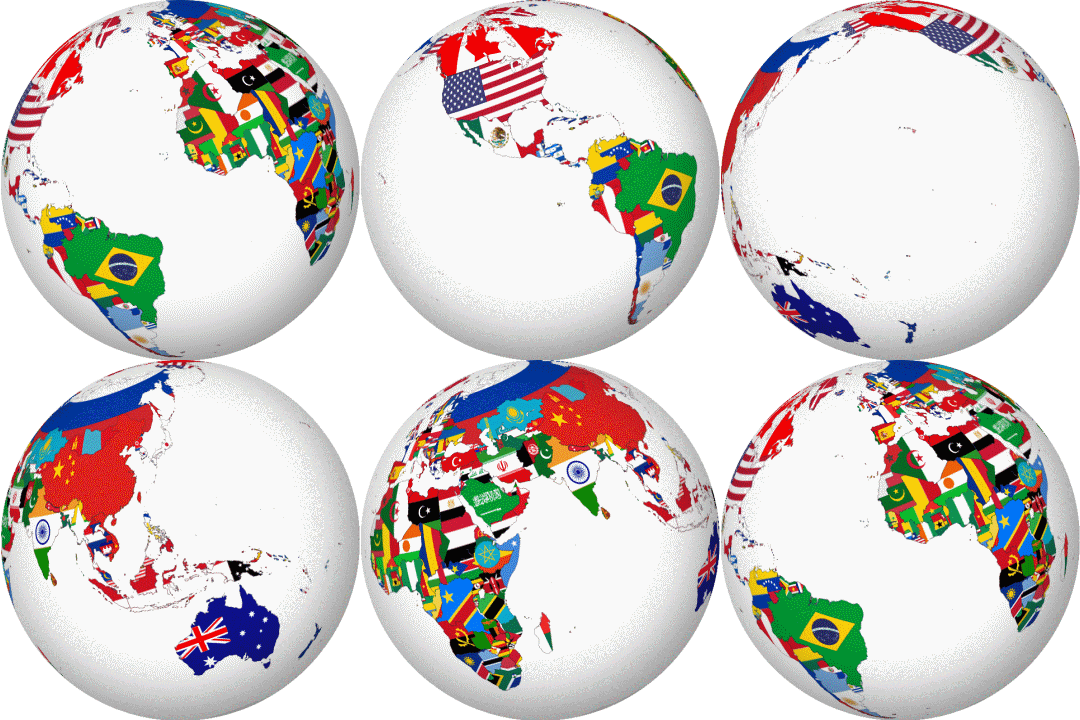
- Assisting with procurement, contracting, construction, and Providing support at all levels to develop better policies, plans and models, and to build religious and cultural infrastructure, including: Public libraries to facilitate access to information and resources, provide services to job seekers and help citizens find community support; Places of worship to offer a spiritual community and a place for collective religious practice; Museums to serve as guardians of cultural and historical heritage, educate the public and act as community centers. Recreational areas for improving physical and mental health, fostering social connections, and boosting the local economy. Parks to provide crucial benefits for physical and mental health, community cohesion, and the environment. Hotels to provide essential accommodation and services, driving local economic development through job creation and supply chain linkages and the purchase and provision of means of transport ( vehicles, airplanes, etc) to enable travel to cultural destinations.
- Creating a vibrant atmosphere of collaboration and shared experiences and an environment where cultural ideas and artistic expressions can be shared and appreciated
- Facilitating dialogue between people of different faiths and beliefs, fostering mutual respect, learning, and collaboration on various issues.
- Establishing moral principles, often codified in law, reflecting societal values of right and wrong, such as: providing a framework of ethical behaviour for communities and religions, which emphasizes compassion, tolerance, diversity, unity, respect for others, justice, and prohibits hate speech, discrimination, violence, theft, and fraud;
- Promoting coexistence and mutual respect among individuals and communities of diverse religious backgrounds, fostering a peaceful society where everyone can freely express their spiritual traditions. Being ideologically neutral, which means not privileging one ideology over another, managing tensions, and promoting a common moral order, respecting individual autonomy and freedom of belief.
- Engaging in extensive social service activities, motivated by religious, and cultures duty and compassion.
- Providing support, resources, and empathetic assistance to individuals navigating the complexities of leaving high-control religious environments and dealing with challenges like social isolation, discrimination, and family estrangement.
- Advocating for freedom of religion or belief globally and provide support for those facing persecution because of their faith.
- Participating in job postings, candidate screening, and interview scheduling and recruiting and placing engineers and professionals.
- Protecting the rights of individuals, animals, and the environment, and supporting victims of abuse and crime.
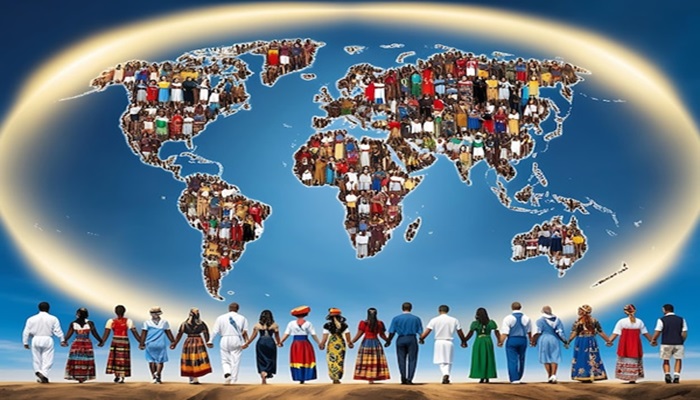
- Encouraging everyone to honor their father and mother—or their parents—by recognizing and valuing their role, prioritizing their well-being, and showing them deep respect in both word and deed, in order to strengthen cultural identity, preserve intergenerational heritage, establish moral authority, and maintain family cohesion. This principle ensures the transmission of traditions, history, and values, thereby laying a solid foundation for a strong society.
- Encouraging others to express their gratitude, fosters a positive environment and strengthens relationships by highlighting emotional and physical benefits, suggesting specific and concrete actions, and providing models they can easily use today. To feel genuine gratitude involves moving them beyond simply saying “thank you” to understanding the intention behind a person’s actions. You can cultivate this by guiding them to recognize what someone did for them, acknowledge the effort it cost, and reflect on the emotional or material benefit they received. A society built on the expression of gratitude creates a cycle of prosocial behaviour, trust, and mutual respect. By acknowledging contributions and practicing appreciation, communities lower conflict, build stronger bonds, and foster collective well-being that sustains long-term prosperity.
- Empowering communities through training and resources necessary for the development of their own cultural and tourism services, thereby promoting sustainable economic growth while preserving cultural heritage.
- Promoting the development of environmentally friendly tourism infrastructure.
- Assisting with procurement and contracting in the construction of buildings such as hotels, recreational areas, parks, transportation and other tourist sites and waste management systems.
- Promoting destination safety, reassures potential visitors, and encourages their return.
- Assisting to the provision of data and technology to understand tourist flows and manage them more effectively, including through the establishment of reservation systems for popular attractions and beaches.
- Encouraging tourists to respect local customs and the environment, and supporting local businesses, helps minimize negative impacts.
- Protecting the rights of individuals, animals, and the environment, and supporting victims of abuse and crime.
Add Your Cultural Heritage list!
Add your cultural heritage now, whether tangible or intangible. Our global cultural platform allows you to showcase activities, products, and services to increase engagement, generate revenue, and positively impact your communities.
“The Kingdom of the World and King Evrad Kounchou Kameugne are recognised by governments, organisations and international bodies as a legitimate Sovereign State, Kingdom of the World, Kingdom of Justice and Kingdom of God, King of the World, King of Justice, a global leader, ruling as King of the World, and King of Justice, sovereign and guardian of all the world’s cultural heritage and sovereign of an existing country, Cameroon, and reigning as King or Queen of Cameroon “